
The Tyranny of the Voting Machine
In last month’s newsletter, I made the contention that markets no longer serve as the long-term weighing machine once articulated by Benjamin Graham.
So much of today’s trading is instantaneous reactions by algorithms to the headline of the moment without reflection and with little regard to long-term impacts. The famed value investor and professor of Warren Buffett, Benjamin Graham, said, “In the short run, the market is a voting machine, but in the long run it is a weighing machine.” I fear we’ve moved increasingly to a world of all vote and no weight. I believe the long run still exists, and whenever we forget that, it seems the eventual weighing is all the more painful.
I wanted to expand on that this month. I’ll start with an article I wrote for my former employer about the current market structure and the resulting thumb on the scale that structure creates. The article was written about a year ago during the tariff-related spate of volatility, but it’s just as applicable today.
The volume of passive flows, primarily inflows for the last several years, equate to a sizable percentage of trading that’s essentially on autopilot. You get a paycheck. Your 401(k) contribution hits your account. For most folks, that goes into the default target date fund, which is essentially just an age-matching exercise. You’re “x” years old, and therefore you will retire around year “y.” Those funds are generally passive in nature, meaning the manager invests the money based solely on the size of the components. Stock 1 is “x” percent of the index. Buy stock 1 at “x” percent. At no point in that sequence was a single thought given to geopolitics, the economy, or the price being paid.
There’s a second layer of systematic trading that takes place solely based upon changes in price and volatility of the market. They often amplify movements in either direction; for example, selling elsewhere begets selling within those strategies. But again, zero thought to the prevailing environment.
Events matter. I mention this merely to make the case for thoughtfulness and humility in pinpointing the exact source of market action. The above structure can translate into rather benign effects triggering outsized market movements. It also results in the inverse: seemingly seismic shifts can go ignored for long stretches of time.
The torrent of this autopilot flow can be visualized in the graph below depicting the trillions leaving more active strategies generally seeking to weigh and commensurate inflows to passive strategies that merely cast a vote in favor of the prevailing weight.
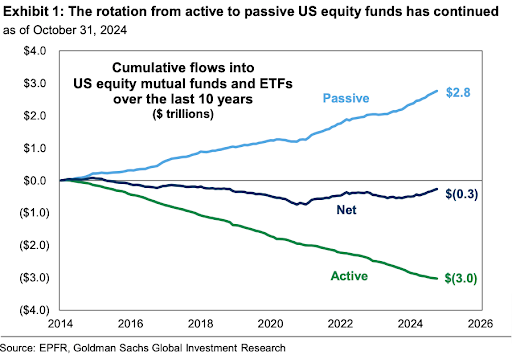
Up to a point, this is fine. The challenge is that for passive to continue to “work” someone still needs to be doing the weighing. If passive is hitching the proverbial free ride, there is a point of passive dominance at which a ride is being hitched with nobody behind the wheel. Said more bluntly, passively investing in “the market” requires a functioning market.
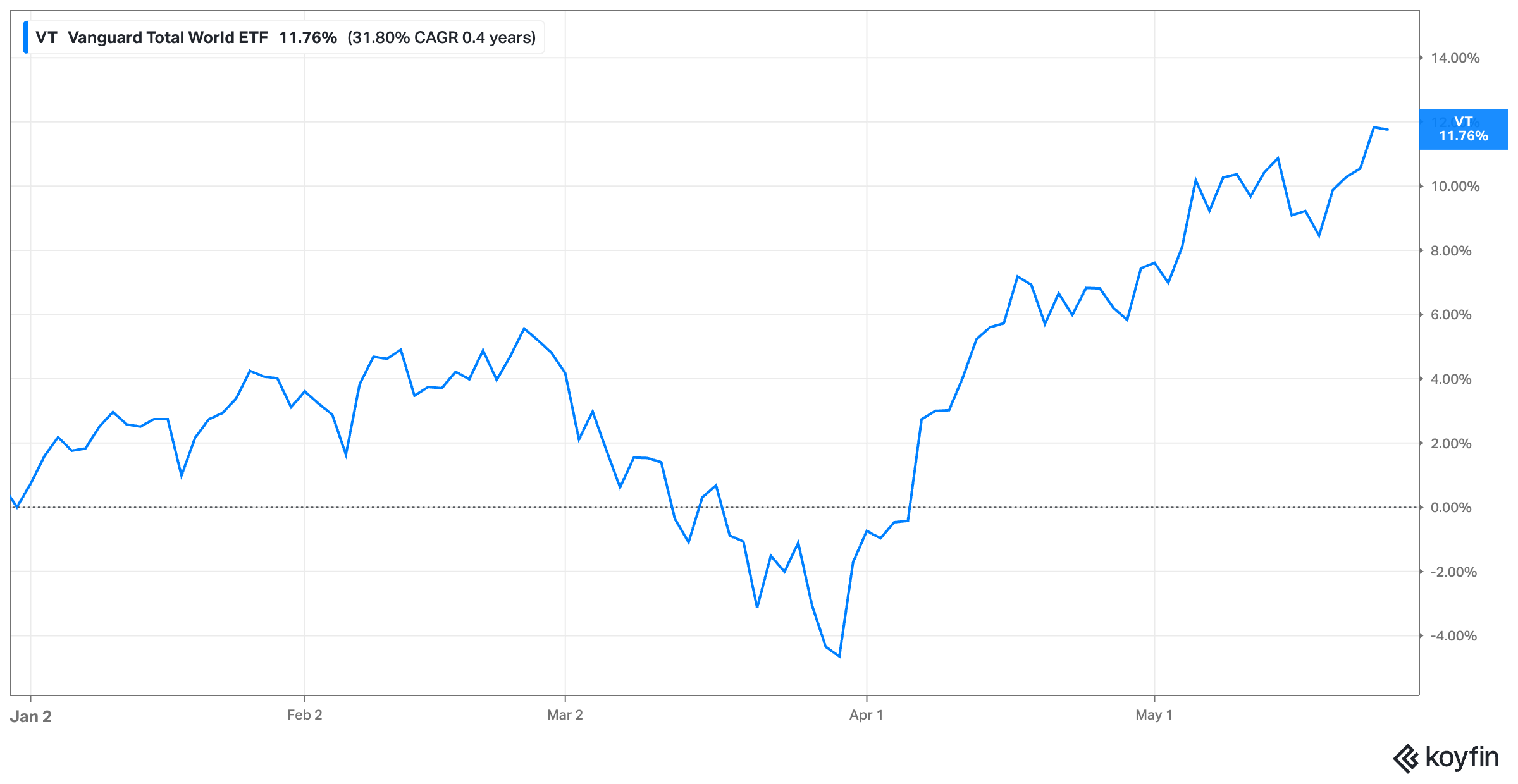
While the rest of us may still be left scratching our heads on the quantum state of the war/ceasefirewith Iran and the openness of the Straits of Hormuz, the stock market does not care.
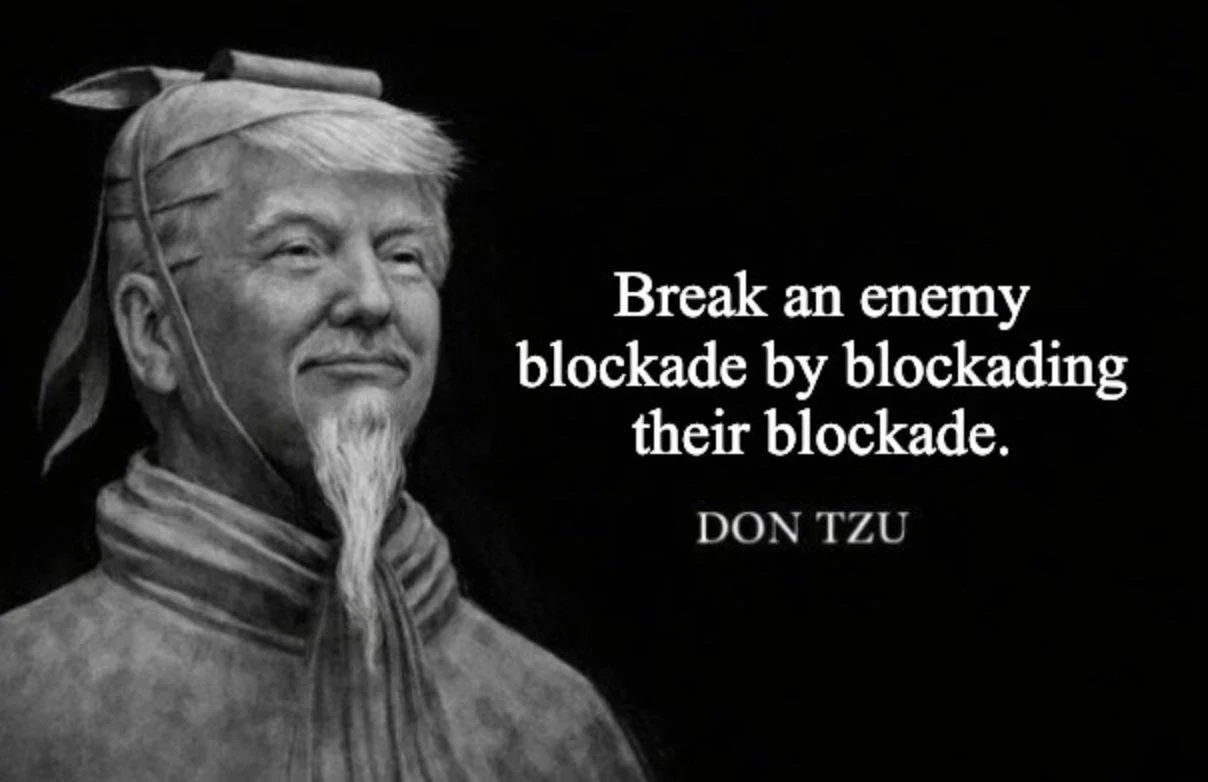
As with last month and memes aside, I will mostly spare you my views on Don Tzu’s 4D chess prowess, but the key point is that the stock market at or near all-time highs is similarly and unsarcastically not relaying a view either. Trump’s ability to deftly keep attention on the stock market as the barometer for success notwithstanding; for now, stocks remain firmly in the tyranny of the voting machine.